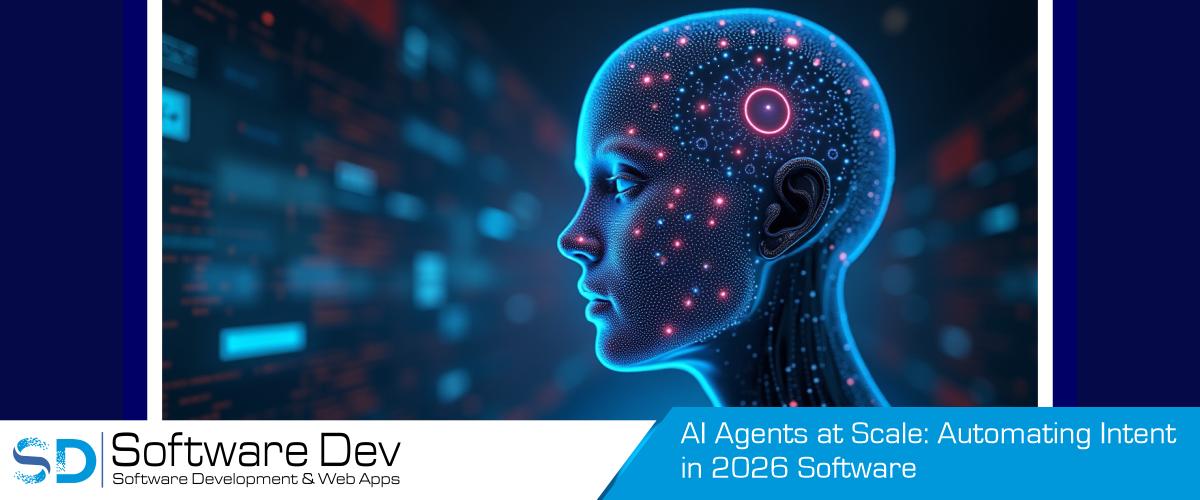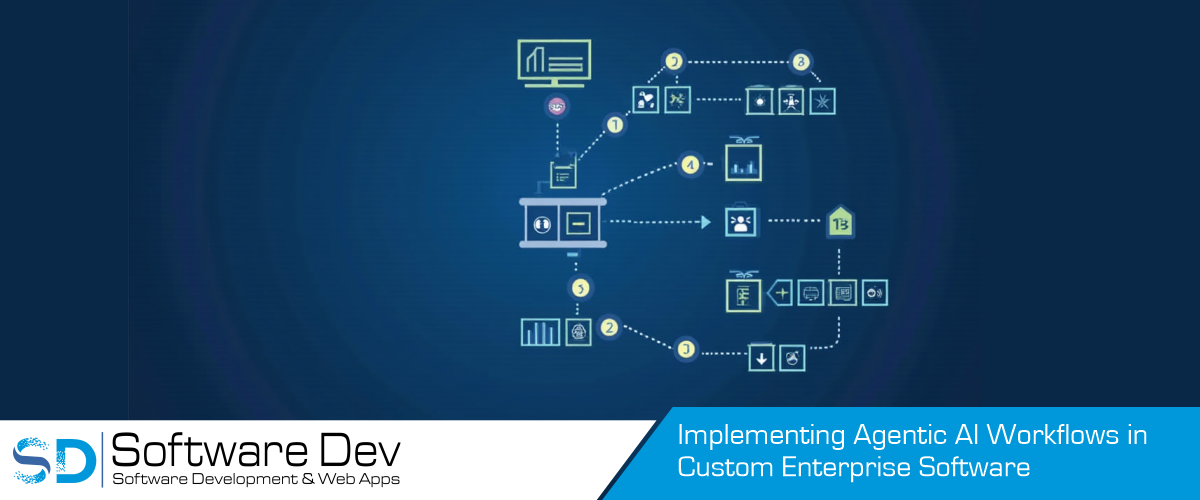
Artificial Intelligence has come a long way from the early days of simple chatbots and rule‑based automation. Today’s businesses expect software that can think, act, and adapt, not just respond. This is where agentic AI workflows enter the enterprise landscape: advanced systems that go beyond user interaction to proactively perform tasks, make decisions, and optimize processes with minimal human supervision.
From streamlining complex workflows to enhancing operational intelligence, agentic AI has the potential to unlock new levels of efficiency and innovation. Below, we explore five core ways enterprise systems benefit when they evolve beyond basic chatbots into intelligent, actionable systems.
A Deep Dive into Agentic AI
AI is no longer limited to chat interfaces; agentic AI workflows are reshaping enterprise systems, automating decisions, and driving smarter outcomes at scale.
Read Next: How a Custom CRM System Can Transform Your Customer Relationships
1. Defining Agentic AI: Where Logic Meets Autonomy
Agentic AI refers to systems designed to take action on behalf of humans. Unlike traditional bots that wait for input, agentic AI can initiate tasks, evaluate conditions, and execute decisions based on predefined goals and real‑time data. In custom enterprise software, this means workflows that actively manage processes such as order routing, anomaly detection, and resource allocation without constant user direction.
2. Automating Complex Processes with Purpose
One of the most compelling advantages of agentic workflows is their ability to handle intricate, multi‑step processes. For example:
- A procurement system that automatically assesses supplier bids, forecasts demand, and issues purchase orders.
- A compliance tool that scans regulatory changes and updates internal policies proactively.
By embedding intelligence into these sequences, enterprises reduce manual effort and accelerate outcomes with greater reliability.
3. Enhancing Decision‑Making with Predictive Insights
Agentic AI systems don’t just perform tasks, they use data to inform decisions. Through machine learning models, pattern analysis, and continuous feedback loops, these workflows predict outcomes, anticipate risks, and recommend optimal actions. Custom enterprise applications benefit greatly from this embedded intelligence, enabling teams to move faster with confidence and efficacy.
4. Tailoring Workflows Through Adaptive Systems
One of the strengths of custom software is flexibility and when paired with agentic AI, adaptability becomes automatic. Adaptive agentic workflows adjust based on contextual understanding and historical behaviour. For example, a CRM system powered by agentic AI can adjust lead nurturing strategies based on engagement patterns without manual reconfiguration. This level of adaptiveness makes enterprise systems more responsive to change and more aligned with strategic goals.
5. Boosting Efficiency and Reducing Human Error
Agentic workflows reduce friction by executing tasks that would otherwise require repetitive human intervention. This not only accelerates processes but also minimizes the risk of human error. Whether it’s generating reports, synchronising data across systems, or managing alerts, agentic AI enhances operational accuracy, freeing people to focus on higher‑value work that demands creativity, empathy, and strategic oversight.
Partner with SoftwareDev Today
The future of enterprise software lies beyond static interfaces and limited automations. Agentic AI workflows are redefining what intelligent systems can achieve, transforming software from reactive tools into proactive, decision‑capable partners in business success.
Our team specialise in designing and building custom enterprise solutions that integrate the latest in AI, automation, and business logic. Whether your organisation is aiming to streamline operations, empower teams, or unlock data‑driven decision‑making, agentic AI can be the catalyst for real transformation.
Now Read: Navigating the Cloud: Custom Cloud-Based Solutions for Scalability and Security in SA